NACE framework
Career Competencies
Through my International Scholars Program coursework and events, I have strengthened my communication, critical thinking, global and cultural engagement, and career and self-development skills. My broader academic and professional experiences have further developed my teamwork, professionalism, and technological literacy. The reflections below highlight specific experiences that shaped these skills and prepared me to engage thoughtfully with diverse perspectives, collaborate effectively, and pursue my interests in psychology, international affairs, and public service.
ISP Skill Development
Communication
Experience: INR2001 — Introduction to International Relations
Through my ISP coursework in INR2001, I studied international relations and explored how journalism communicates current geopolitical issues. Understanding these topics required me to consider how complex relationships between countries are explained to audiences with different backgrounds and levels of knowledge.
As I engaged with the course material, I considered the relationship between descriptions of international events and the broader political context surrounding them. I became more attentive to how language and framing can shape an audience’s understanding of an issue. As a native Russian speaker studying in English, I also brought an awareness that people may interpret the same words or events differently depending on their linguistic and cultural backgrounds.
This experience strengthened my ability to approach international issues thoughtfully and explain them with greater attention to context. I learned that effective communication requires more than presenting information clearly; it also requires considering the perspectives and assumptions that an audience brings to the conversation.
ISP Skill Development
Critical Thinking
Experience: Emerging Scholars Café — September 26, 2025
During an Emerging Scholars Café featuring Andry Frestner Joseph in conversation with Professor Mamyrah A. Douge Prosper, I learned about the influence of foreign-funded nongovernmental organizations in Haiti. The discussion challenged me to consider how organizations intended to support communities can unintentionally weaken the public institutions needed for lasting development.
As I listened to the speakers’ field observations, I examined the distinction between delivering immediate assistance and building institutions capable of supporting rural families over time. One example that stood out was how the growth of NGOs can sideline public institutions, leaving long-term policy implementation fragile. I reflected on questions of accountability, local participation, and whether a project’s reported outputs adequately represent its effects on households.
This experience strengthened my ability to evaluate policies beyond their stated intentions. I began to understand development as a process that must include institution-building and community involvement. It also encouraged me to assess sustainability through the experiences of families, rather than relying only on the number of services or projects delivered.
ISP Skill Development
Global & Cultural Engagement
Experience: Haitian Cultural Presentation at the Emerging Scholars Café
The Emerging Scholars Café also helped me develop cultural awareness through a video showcasing Haitian music and dance before the policy discussion. Although I attended with an interest in global governance and development, this introduction encouraged me to engage with Haiti through its cultural traditions as well.
I paid attention to how the cultural presentation shaped my response to the discussion that followed. The music and dance made the setting feel more welcoming and increased my interest in the people and communities behind the policy issues. As the speakers discussed rural families and local voices, I connected their observations with the reminder that a country’s identity extends beyond the challenges described in development debates.
This experience encouraged me to approach unfamiliar societies with greater curiosity and respect. I learned that meaningful global engagement requires attention to cultural expression alongside political and economic conditions. It strengthened my commitment to understanding communities on their own terms and recognizing their knowledge, traditions, and priorities when considering policies that affect them.
NACE Career Readiness Competency
Career & Self-Development
Experience: “How Do We Understand International Security Now?” — March 26, 2026
I attended this event to explore how global challenges shape international security and public policy. As a psychology major interested in international affairs, I wanted to better understand how my academic background could connect with issues often discussed through military, political, or economic perspectives.
During the discussion, I considered how climate change and emerging technologies interact with nuclear security and political instability. The description of climate change as a “threat multiplier” particularly stood out because it showed how environmental pressures can intensify existing conflict and instability. In reflecting on the event, I connected these issues to my interests in human behavior and decision-making, including how people and institutions respond to complex threats.
The experience broadened my understanding of international security and helped me recognize the value of an interdisciplinary academic path. It reinforced my interest in connecting psychology with public policy and identified areas, including environmental security and technological change, that I want to understand more deeply as I prepare for future study and public service.
Experience: Summer Policy Boot Camp — Hoover Institution, Stanford University
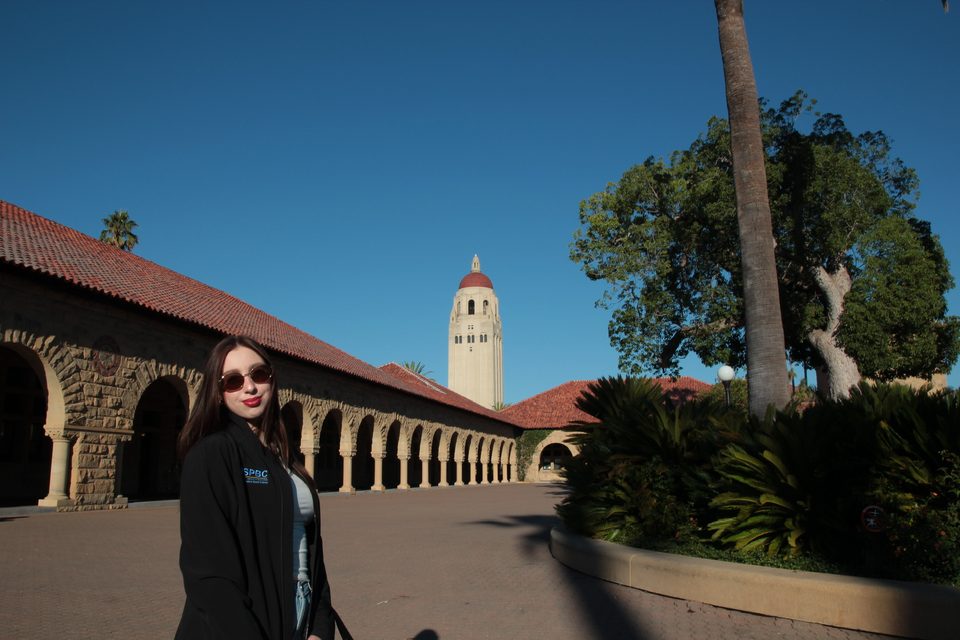
In August 2025, I participated in the Hoover Institution’s Summer Policy Boot Camp at Stanford University, where I explored national security, economics, governance, and international affairs alongside international students and scholars. As a psychology major increasingly interested in public policy, I used this experience to clarify my career goals and identify areas for further academic and professional growth.
Learning from scholars and engaging with students from different national and cultural backgrounds broadened my understanding of policy issues beyond a U.S. perspective. These exchanges encouraged me to consider different approaches to shared global challenges and explore how my background in psychology could contribute to an interdisciplinary career in international affairs.
The program reinforced my interest in national security and international affairs while helping me become more intentional about preparing for graduate education and public service. It taught me that career and self-development require seeking unfamiliar perspectives, recognizing gaps in my knowledge, and pursuing opportunities to learn. Connecting with an international academic community strengthened my commitment to developing the knowledge and cultural awareness needed for work across national borders.
NACE Career Readiness Competency
Teamwork
Experience: PPIA Public Service Weekend — LBJ School of Public Affairs
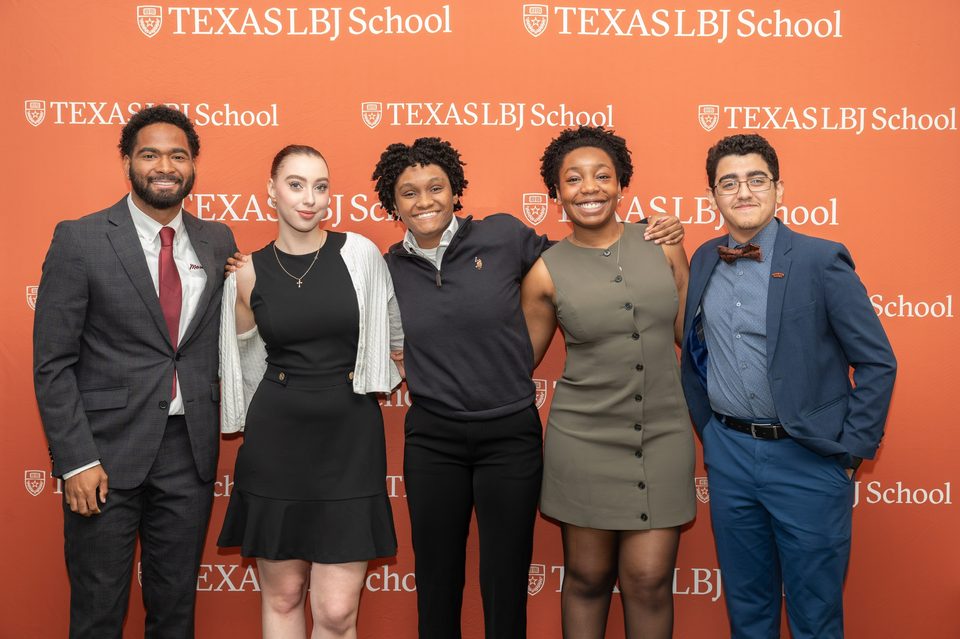
In July 2025, I participated in the PPIA Public Service Weekend at the LBJ School of Public Affairs in Austin, Texas, where I strengthened teamwork skills relevant to international and cross-cultural collaboration. Working with four students from different regional and educational backgrounds, I helped develop a policy proposal addressing mental health in U.S. schools and present our recommendations to academic and policy professionals.
I contributed research, co-led project development, and helped prepare our presentation. We divided responsibilities according to our strengths, discussed our findings, and incorporated differing perspectives into a cohesive proposal. By listening actively and working through disagreements, I helped ensure that our recommendations reflected the group’s collective contributions.
This experience taught me to approach differences with curiosity, adapt to others’ working styles, and share responsibility for a common goal. These skills are essential to international teamwork, where collaboration across cultural and national backgrounds requires respect, flexibility, and a willingness to build consensus. I learned that diverse perspectives can strengthen collective decision-making when each team member has a meaningful opportunity to contribute.
NACE Career Readiness Competency
Professionalism
Experience: Congressional Internship — U.S. House of Representatives
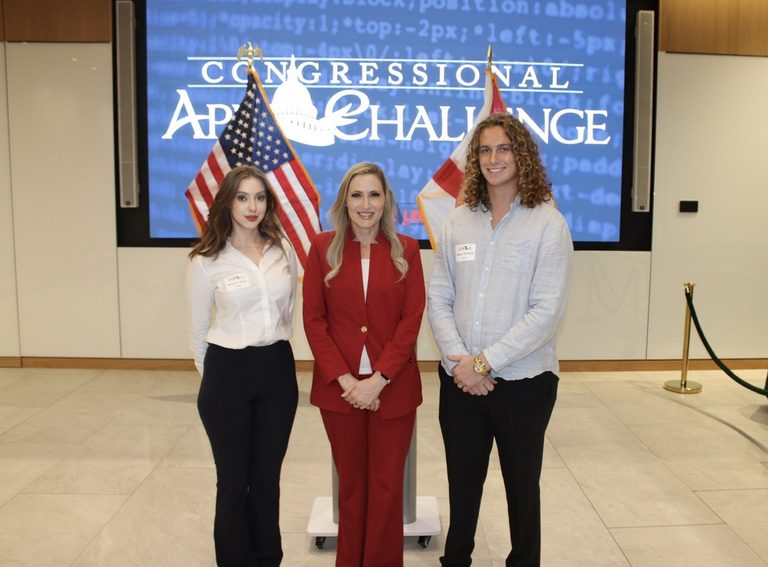
During my internship in Congresswoman Laurel Lee’s FL-15 district office, I developed competencies relevant to professionalism in international and multicultural settings, including cultural awareness, respectful communication, discretion, and sound judgment. Assisting with constituent casework, particularly USCIS-related matters, showed me how immigration and federal policies affect individuals and families with ties beyond the United States.
Working with constituents from diverse backgrounds required me to listen carefully, avoid assumptions, and respond respectfully to unfamiliar experiences and circumstances. I protected sensitive information, documented cases accurately, verified information before communicating it, and followed office procedures. Collaborating with staff and fellow interns also strengthened my ability to consider different perspectives and adapt my approach.
This experience deepened my understanding of the international dimensions of local public service. It taught me that professionalism requires both accountability and cultural sensitivity, strengthening my ability to work responsibly with people whose backgrounds and experiences differ from my own.
NACE Career Readiness Competency
Technology
Experience: Summer Honors Program — American Enterprise Institute
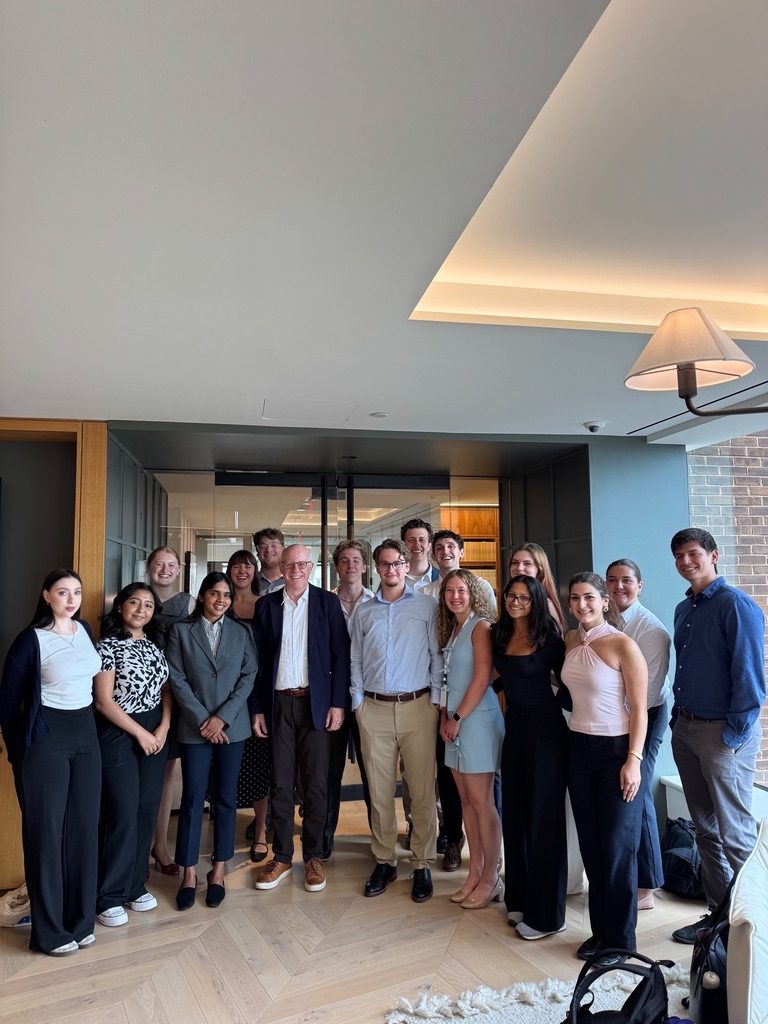
In July 2026, I participated in the American Enterprise Institute’s Summer Honors Program in Washington, D.C., where my seminar explored artificial intelligence, technological innovation, and the changing nature of work. This experience strengthened my technological literacy and my understanding of how emerging technologies influence economies, institutions, and public policy internationally.
Through seminar discussions, I evaluated different perspectives on AI’s implications for employment, human dignity, and economic opportunity. I considered how its benefits and challenges vary across occupations, communities, and levels of access to resources. These discussions also encouraged me to examine how countries adapt their economies and policies to technological change.
The program strengthened my ability to assess emerging technologies critically and consider their broader social consequences. I learned that technological competency includes understanding the responsibilities and policy choices that accompany innovation. This perspective is particularly relevant to international affairs, where technological developments create shared challenges that require informed decisions and awareness of different national and cultural contexts.