International Scholars Program
Global Experiences
Museum Days — A Glimpse of France
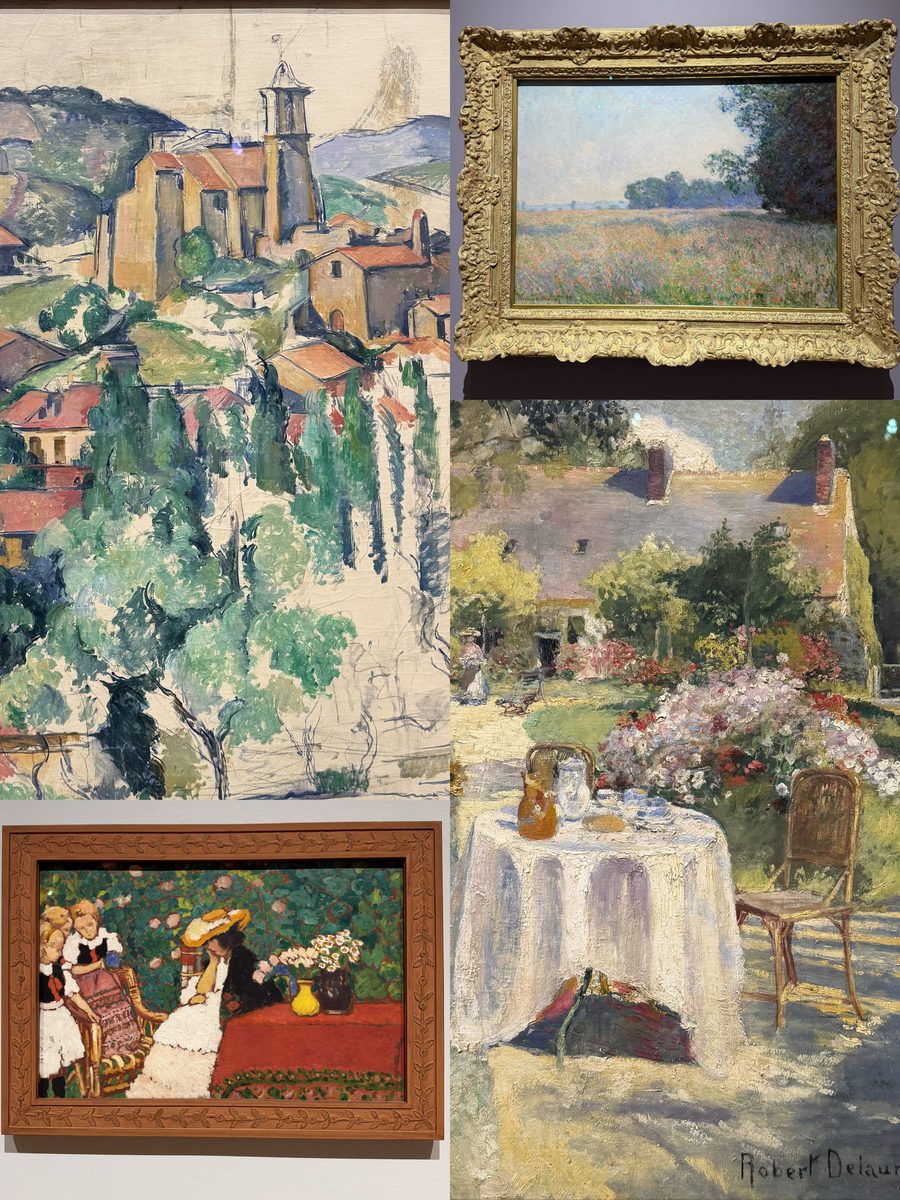
One of the global campus activities I attended at the University of Florida was Museum Days: A Glimpse of France. I chose this event because of my interest in art history and the way museums introduce international cultures to the public. Travel has given me opportunities to visit museums and historical sites in different countries, so I was interested in experiencing how a university museum could create a similar opportunity for cultural exploration within the UF community.
The event approached French culture through guided tours, artwork, and interactive elements, including a French landscape photo booth. What stood out to me was the variety of ways visitors could encounter the same cultural theme. Rather than relying entirely on written descriptions, the event combined education with visual and interactive experiences. It demonstrated that presenting another culture effectively requires considering how different audiences connect with information. Some visitors may be interested in history, while others may first become curious through a painting, landscape, or activity.
In addition to photographs from Museum Days itself, I chose to include photographs of paintings from the Harn Museum that were meaningful to me. The museum's collection provides opportunities to encounter artists and artistic traditions from around the world. Works connected to artists such as Claude Monet are especially interesting to me because they provide more than an example of a particular artistic movement. They preserve an individual's interpretation of the environment in which they lived. Looking at these works makes historical periods feel less distant because they allow us to see places and moments through the perspective of someone who experienced them.
This experience also made me think more carefully about the role cultural institutions play in international engagement. Exposure to another country does not always require physically traveling there. Museums can create opportunities for people to begin exploring unfamiliar histories and cultures within their own communities. For me, A Glimpse of France brought together several interests that have shaped my global perspective—art, history, travel, and cultural preservation—and demonstrated how those interests can also serve as meaningful forms of cultural education.
Language Learning — Russian & English
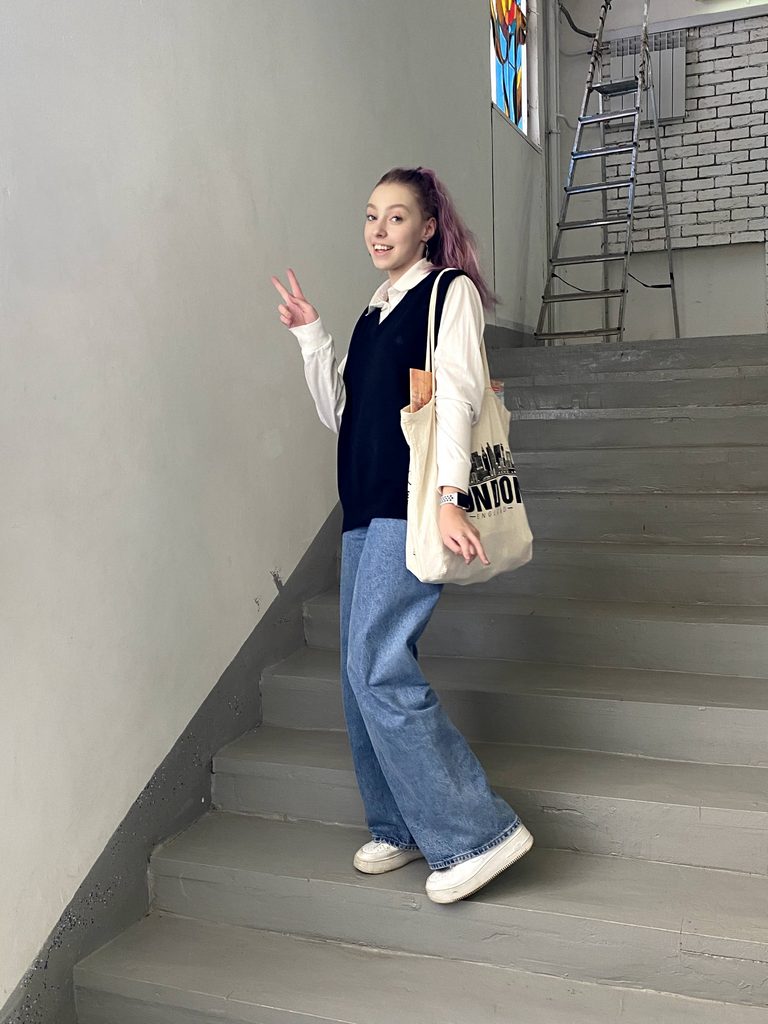
I spent approximately ten years attending school in Russia, where Russian was both my native language and the foundation of my formal education. Studying Russian academically gave me a very different understanding of a language I already spoke naturally. Russian grammar involves an extensive system of cases, conjugations, spelling rules, and exceptions, and mastering written Russian required years of study. My education also introduced me to Russian literature, history, and writing, showing me how much information about a society can be contained within its language. Russian therefore represents more than my ability to communicate; it connects me to the education and cultural environment in which I grew up.
English entered my life differently. I initially learned it as a foreign language, but after moving to the United States, it became essential to my everyday life. Classroom knowledge could only prepare me to a certain extent. Speaking English every day required becoming comfortable with unfamiliar expressions, humor, conversational habits, and social cues. Over time, English became the language in which I pursued my university education and began developing my professional identity.
One of the greatest challenges was learning to navigate relationships in a cultural environment different from the one I knew growing up. Building friendships, communicating with professors and colleagues, interviewing for opportunities, and entering professional settings required more than translating my thoughts from Russian into English. I had to learn American expectations surrounding communication and recognize when my own habits were influenced by the culture in which I was raised. This process made me more observant and adaptable when interacting with people whose backgrounds differ from mine.
Today, I consider bilingualism one of the most valuable parts of my international experience. I can read, write, think, and communicate in two languages while drawing from two distinct educational and cultural environments. It has also made me comfortable with the idea that there is rarely only one way to express an idea, develop a relationship, or interpret an interaction. As I pursue a career with an international focus, that awareness is particularly valuable. My experience has taught me to enter unfamiliar environments with curiosity rather than expecting them to operate according to the rules I already understand.
Developmental Psychology (DEP3053)
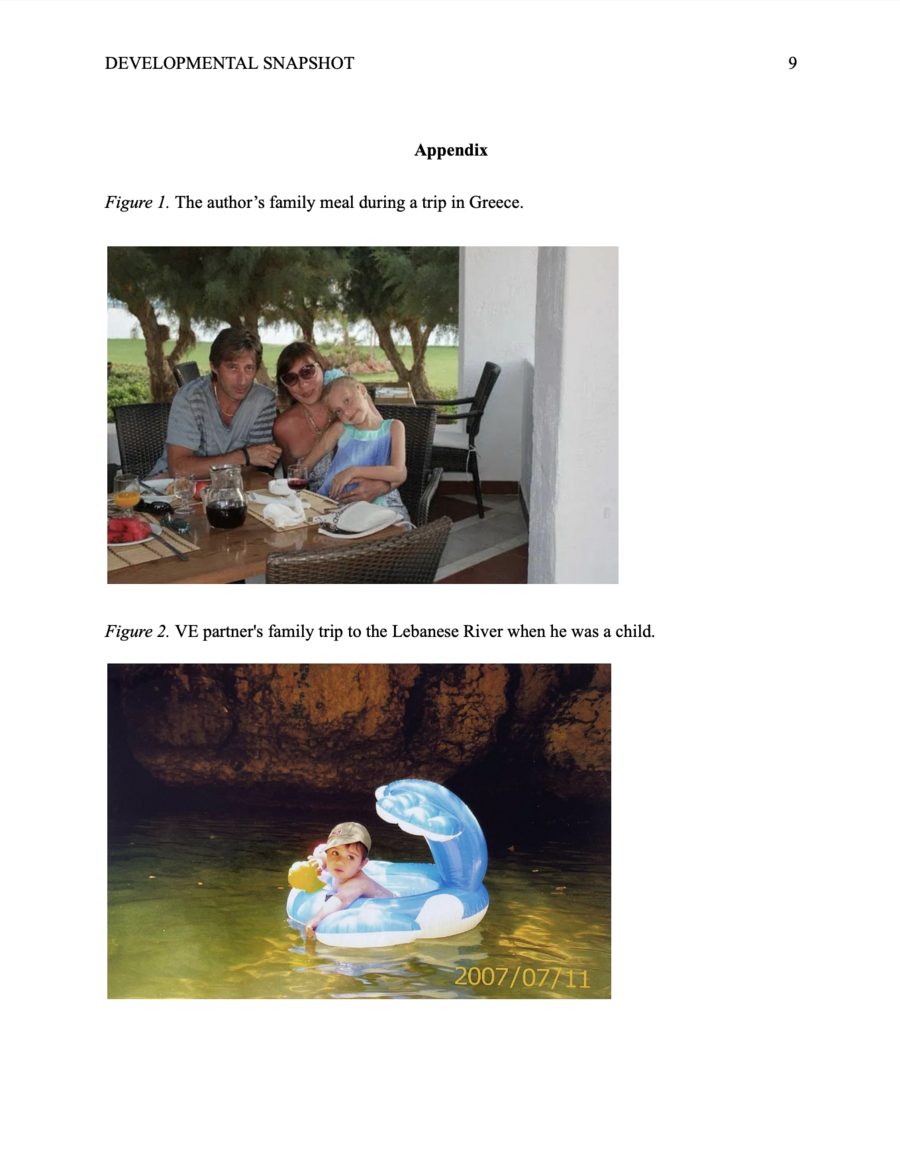
During Spring 2025, I took DEP3053: Developmental Psychology, which included a collaborative project with university students in Lebanon. Our project examined how positive family interactions contribute to childhood development across cultures. This gave us the opportunity to apply concepts from developmental psychology while learning directly from students whose social and cultural environment differed from our own.
Our research focused on the influence families can have on children's development and the experiences they provide during childhood. As we compared our findings and personal observations, we found both similarities and differences in how family involvement could be expressed. We also discussed experiences such as travel and how families can introduce children to unfamiliar places and perspectives. I found it interesting that cultural context could affect the way family involvement looked without necessarily changing its importance in a child's life.
Completing the project with students in Lebanon also gave me practical experience with international teamwork. The time difference required us to plan ahead when communicating and coordinating responsibilities. Beyond scheduling, I had to be mindful that the way I approached a discussion or interpreted an experience was influenced by my own background. The collaboration encouraged me to listen before drawing conclusions and to become more comfortable working with perspectives that did not always reflect my own experiences.
The course later became important to the development of my senior honors thesis. Our discussions made me increasingly curious about whether experiences provided during childhood could remain influential as people enter adulthood. That interest eventually contributed to my decision to study religious-site travel during childhood and young adulthood in relation to religious tolerance. My thesis also considers family spirituality and religiosity, making the questions about family influence that I encountered in DEP3053 especially relevant to the direction my research eventually took.
Looking back, this project was significant because it showed me how an academic experience can lead to a much larger research question. I entered the course expecting to learn about human development, but I left with new questions about the relationship between childhood experiences and later attitudes. Working with students in another country added a perspective I could not have gained from studying the subject within a single cultural setting and ultimately helped shape an area of research that I chose to pursue independently.