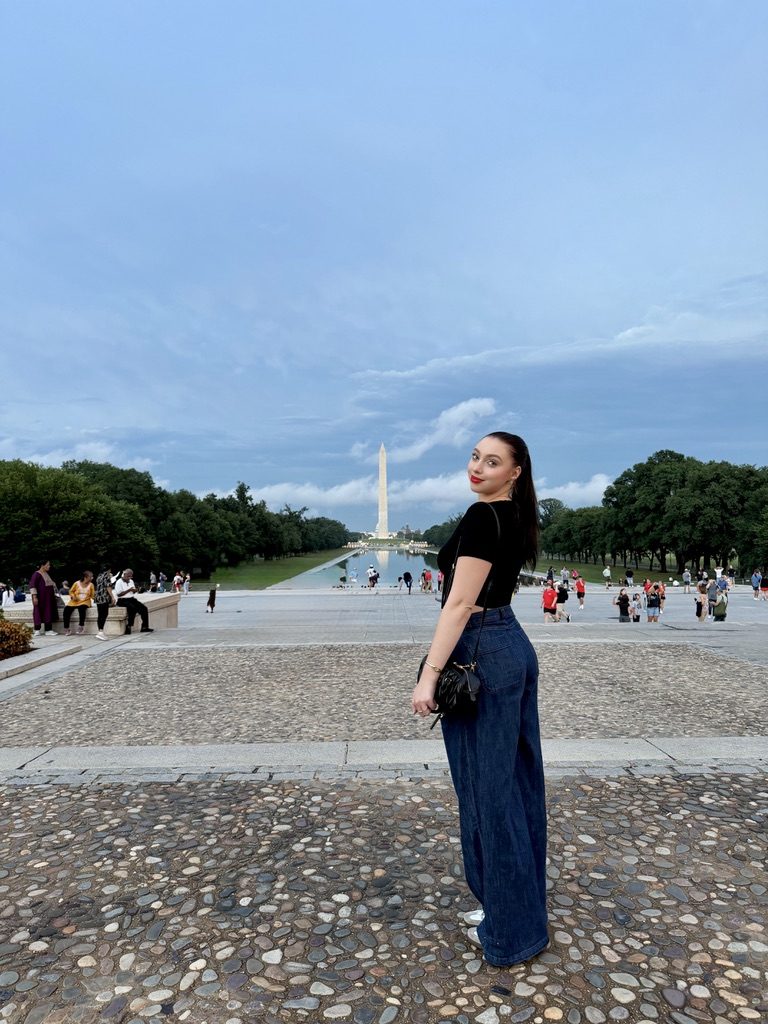
Final synthesis
Final Reflection
So What?
Before completing the International Scholars Program, I tended to think about international experience primarily in terms of visible differences between countries: language, history, traditions, political systems, or social customs. My experiences at the University of Florida have made my understanding of global learning more complex. I now think less about identifying differences and more about understanding why people may interpret the same situation differently depending on the environments in which they were raised, educated, and socialized.
This realization has been especially important to me because I have lived within more than one cultural environment myself. For a long time, adapting meant learning how to function successfully in a new setting. Over time, however, I became more aware of the assumptions I carried with me. Behaviors that seem completely ordinary within one culture may communicate something different within another. The same can be true of expectations surrounding family, education, friendship, professionalism, or communication. I have learned that intercultural understanding requires more than knowing facts about another country. It requires recognizing that my own perspective is also culturally shaped.
That awareness has changed the way I communicate with others. I am more conscious of listening before interpreting and asking questions rather than immediately assuming I understand someone's intentions. I have also become more comfortable with the possibility that two people can approach the same issue differently without one perspective automatically being incorrect. This has been one of the most useful areas of personal growth for me because it applies not only to international interactions but also to professional environments, academic collaboration, and everyday relationships.
My global learning has also affected the way I think academically. Psychology initially taught me to examine individual behavior, development, and relationships. International experiences encouraged me to question how much those processes are influenced by culture, family, environment, and exposure to people outside one's immediate community. I became increasingly interested in the idea that experiences occurring early in life may influence attitudes many years later. That curiosity eventually became part of the thinking behind my senior research.
More broadly, I have learned that global issues rarely fit neatly within one academic discipline. Questions involving security, migration, technology, culture, religion, or international relationships also involve human behavior, history, economics, identity, and social institutions. I no longer view psychology and international affairs as unrelated areas. Instead, I see my undergraduate education as providing one perspective that can contribute to understanding larger international problems. Policies are ultimately created, interpreted, and experienced by people, and understanding how people think and respond to their environments can be valuable when approaching international issues.
Another important change has been the way I understand global interdependence. Earlier in my education, it was easier to think of international affairs as something occurring primarily between governments or in distant parts of the world. I now recognize how quickly international developments can reach individual communities and families. Immigration, technological change, economic conditions, cultural exchange, security concerns, and political decisions do not remain contained within national borders. What occurs in one country can influence opportunities, institutions, and individual lives elsewhere.
This perspective has made international affairs feel less abstract to me. It has also increased my sense of responsibility when evaluating global issues. I have learned to be more cautious about simple explanations. Understanding an issue often requires considering historical circumstances, cultural context, individual experiences, and competing interests rather than immediately reducing it to one cause or one solution. Developing that habit of thinking critically may be one of the most important outcomes of my international education.
I have also become more willing to enter environments where I do not already know exactly what to expect. Earlier in my undergraduate experience, unfamiliar academic or professional settings could feel intimidating. Through UF, I gradually became more comfortable attending programs, traveling for educational opportunities, meeting professionals, asking questions, and introducing myself to people whose careers interested me. I learned that growth often begins with being willing to enter a space where I am not yet an expert.
That change has had a direct impact on my confidence. I do not mean that I now feel prepared for every situation. Rather, I have become more comfortable admitting what I do not know and finding ways to learn. I have discovered that curiosity can be more useful than trying to appear completely certain. This mindset has influenced the way I approach academic research, networking, professional opportunities, and interactions with people whose experiences are different from my own.
Now What?
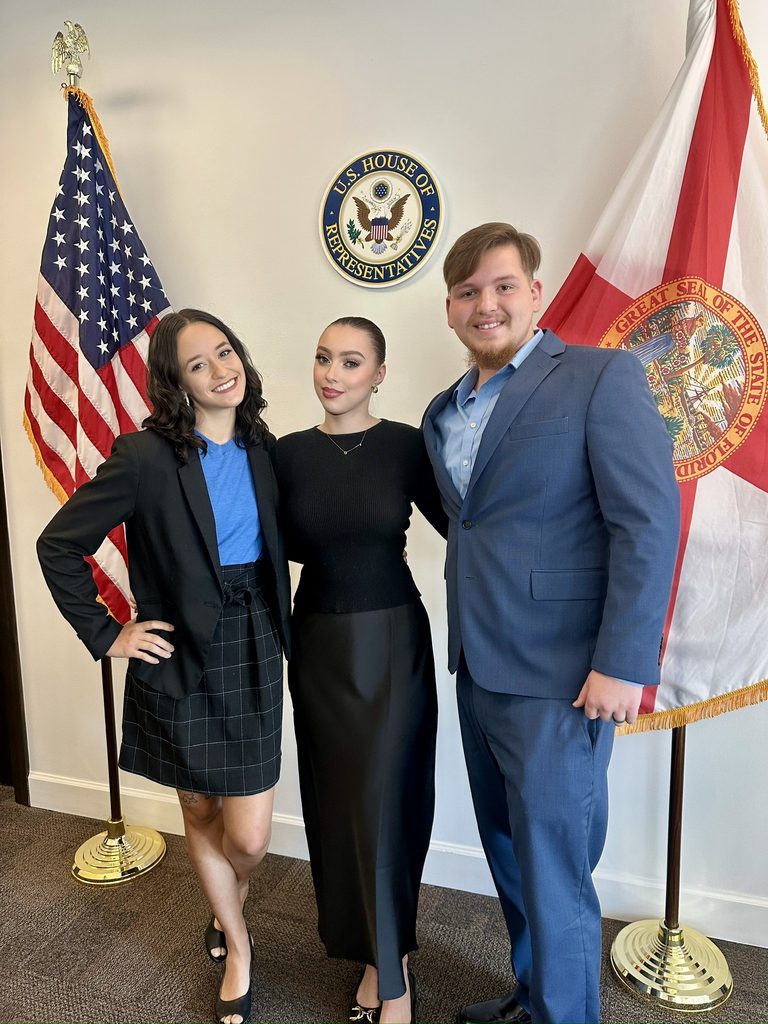
Perhaps the clearest result of my time at UF is that I now have a much stronger understanding of the direction I want my life and career to take. When I entered college, I did not have a precise plan connecting all of my interests. Psychology, public service, international affairs, history, culture, and human behavior initially seemed like separate interests. My undergraduate experiences helped me recognize how they could become part of the same professional path.
UF also taught me that a career is shaped not only by coursework but by the people and opportunities encountered along the way. Through university programs, travel to Washington, D.C., conferences, professional experiences, and networking, I began building relationships with people working in fields I hope to enter. Some of those connections developed into mentorships with individuals in different parts of the country. Having people I can turn to for advice has changed the way I approach major decisions because I no longer feel that I have to understand every stage of my career by myself.
Those relationships have also changed how I view networking. I once thought of networking primarily as a professional requirement or a way to find opportunities. I now see it as the process of building genuine professional relationships over time. A mentor can offer perspective, challenge an assumption, recommend an opportunity, or simply provide encouragement during an uncertain transition. In the future, I hope not only to maintain the relationships I have developed but eventually to provide that kind of support to someone else beginning their own career.
After graduation, I plan to continue my education in Washington, D.C., and pursue graduate study focused on statecraft and national security. I am entering that next stage with a clearer sense of purpose than I had when I began at UF. I want a career that allows me to work with international issues while continuing to understand the people, histories, and cultures behind them.
The most important lesson I will carry forward from the International Scholars Program is that global engagement is not something that ends once a requirement is completed. It is a way of approaching the world. For me, that means remaining willing to question my assumptions, listening carefully when another person's perspective differs from mine, recognizing connections between events that may initially appear unrelated, and continuing to seek experiences that expand what I understand. My time at UF helped me develop that approach. What comes next is learning how to apply it responsibly throughout my graduate education, professional career, and life.